
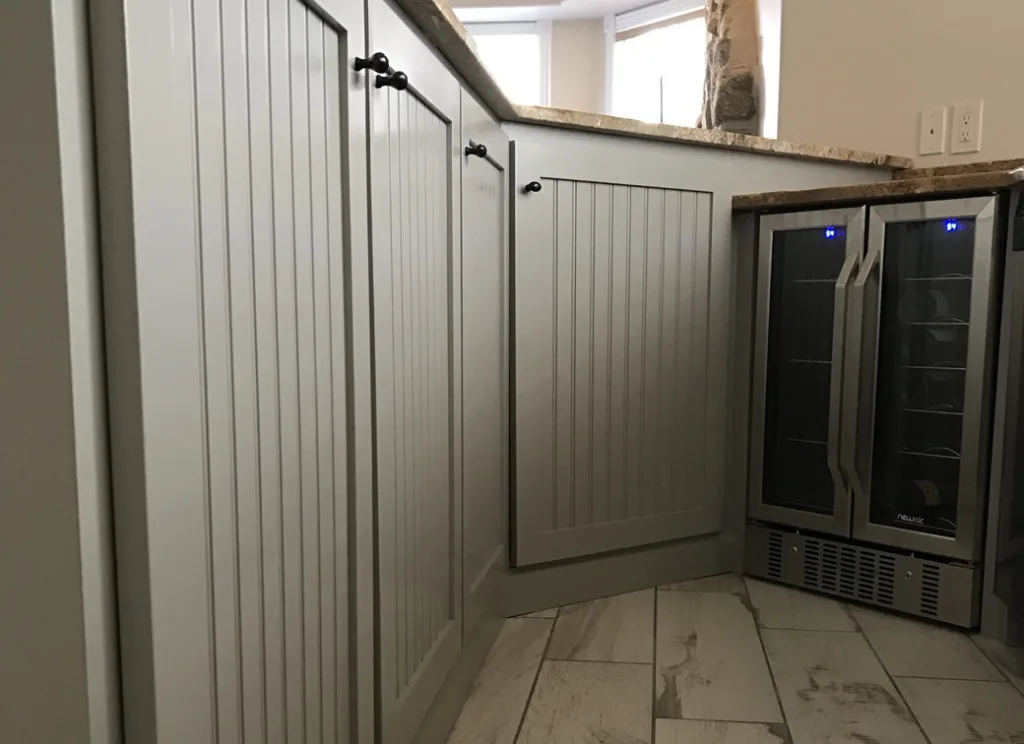
Small components with a daily role
Cabinet hardware updates change how your cabinetry looks and how it feels in use. Pulls and knobs are the surfaces your hands reach for, while hinges support the door's movement and alignment. White Fox Cabinets offers new pulls, knobs and hinges as a service in its own right or alongside other cabinet work. A successful choice balances appearance, comfort and compatibility. Begin with the existing cabinet construction and the hardware positions rather than buying solely from a product photograph.
Consider what you want to improve. You may like the door style but want a different metal finish, find a knob difficult to grip, or have hinges that no longer behave as intended. Those concerns lead to different choices. Replacing a decorative handle does not automatically repair a loose door, and changing the hinge can involve more than substituting a new finish. Describe both the visual direction and any movement problems when requesting an estimate.
Pulls, knobs and the proportion of the cabinetry
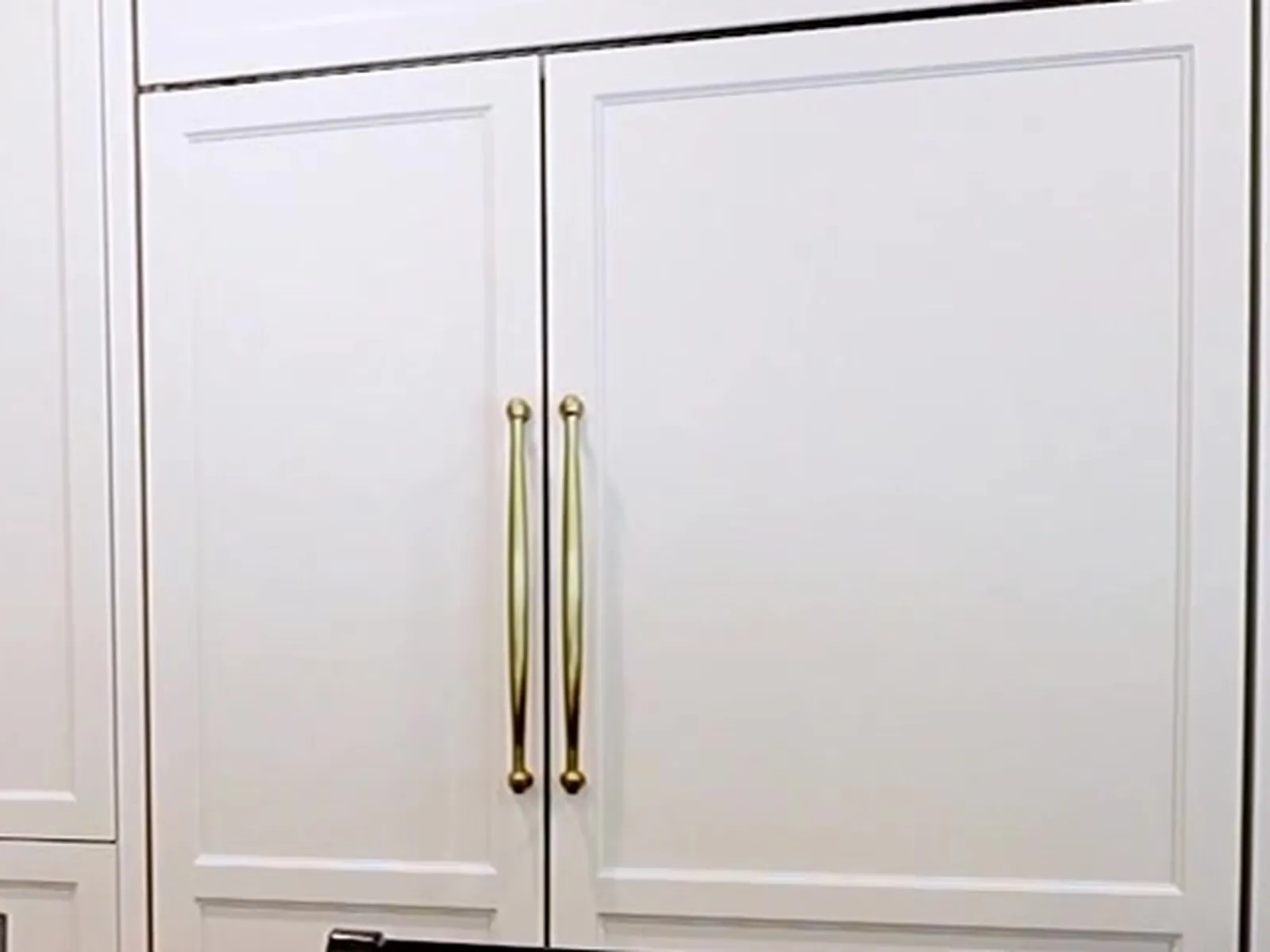
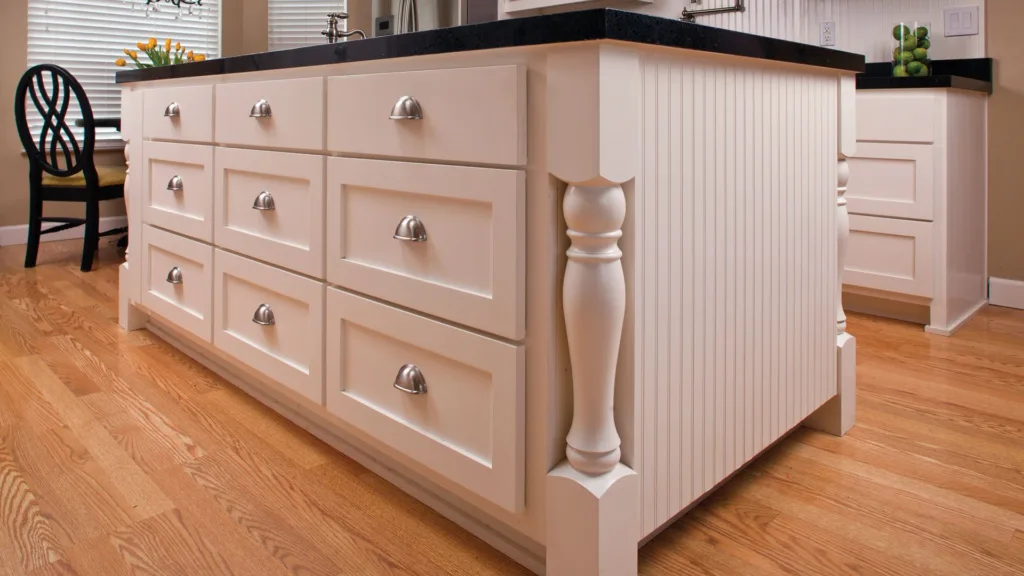
Look at the hardware against the full cabinet run. A long pull may suit a wide drawer but feel visually heavy on a narrow door. A small knob can create a quieter appearance while offering a different grip. Upper cabinets, base cabinets and tall pantry doors have different proportions, so the same component does not need to be used without considering its placement. The choices should still feel connected across the room.
Compare finishes with the other metals that will remain. Faucets, lighting and appliance details provide context, but matching every metal exactly is not the only possible direction. Evaluate actual samples beside the cabinet finish rather than relying on names such as brushed, satin or antique. Similar descriptions from different products can look different in your lighting. Our Cabinet Design Consultation can help connect hardware choices with colors and cabinet finish.
Hole spacing determines straightforward replacements
Pulls commonly use two mounting holes. The distance between their centers matters when replacing a pull on an existing front. Overall handle length and hole spacing are different measurements. A new pull can look the right size while its mounting points fail to match the old holes. Check the actual component and cabinet front before ordering. If several styles of hardware are present, record each pattern rather than assuming every door uses the same spacing.
A knob typically uses a single mounting point, but its location still affects the result. Changing from a knob to a pull may leave an old hole outside the new arrangement. Moving a handle can create the same issue. Filling and refinishing old holes may therefore become part of the project. Discuss this before the cabinet finish work, especially if you are aiming for a consistent appearance across several fronts.
Comfort and clearance
Try the grip of a sample with normal hand movement. Fingers need space behind a pull, and a handle's projection can matter near an appliance or a neighboring cabinet. Larger is not automatically more comfortable if the location creates a collision. Consider how the cabinet is approached and whether a door swings past another surface. The hardware should work for the people using it as well as for the room's design.
Corner drawers and paired doors are useful places to check clearances. Two attractive handles can strike one another when adjacent components open. A refrigerator handle or dishwasher edge can also restrict movement. Review these conditions with the doors and drawers in motion, not only closed. The installation location should follow the actual clearances and the selected components rather than a generic measurement repeated throughout the room.
Hinge selection starts with the cabinet construction
Hinges are part of the cabinet's mechanical fit. Face-frame and frameless cabinetry can require different arrangements, and inset or overlay doors have different relationships to the opening. The hinge's mounting pattern and the door's preparation also matter. A compatible replacement needs to fit these conditions. Do not assume that a hinge described as a cabinet hinge will work on every existing door.
Inspect the attachment points as well as the hinge itself. Worn screw holes or damaged material can prevent a new hinge from holding securely. A door that rubs or drops may need adjustment or repair rather than simply a decorative hardware change. Include those issues when requesting Hardware Updates. Cabinet Repairs can be considered if the mounting surface needs attention before suitable new hardware can be installed.
Features should be confirmed on the selected parts
If you want a particular closing action, opening range or concealed appearance, identify it during the selection discussion. Such features depend on the actual hinge and cabinet arrangement. They should not be assumed from a photograph or from the fact that the hardware is new. Confirm compatibility, adjustment requirements and the components included in the proposed work before making a purchase decision.
Drawer movement involves slides and drawer construction, which are separate from knobs and pulls. If a drawer sticks, explain that concern directly. A new handle can improve grip but does not necessarily correct movement underneath. Distinguishing the handle update from a drawer repair helps define the scope accurately. It also prevents a visual update from leaving the original functional issue unresolved.
Combine hardware updates with painting or new fronts
Hardware decisions affect preparation for a cabinet painting project. Old holes may need treatment before finishing, and final drilling needs to suit the new positions. Retained hardware should be handled and identified so it returns to the appropriate location if that is part of the plan. Confirm which items are staying and which are being replaced before work begins. A hardware schedule can record the intended pieces for each cabinet area.
New doors and drawer fronts create another opportunity to reconsider hardware placement. Their dimensions, style and construction may differ from the originals. Review the hardware on a representative front, including its visual relationship to rails, panels and edges. Coordinate the replacement fronts, the finish and the hardware as one cabinet plan. Our Cabinet Door & Drawer Replacement page explains the other fit questions involved in retaining the existing boxes.
Request an estimate with the right details
Share photos of the cabinet run, close-ups of existing hardware and a description of what you want to change. Include a reference for the new style if you have one, plus information about loose doors or difficult drawers. Where you know the existing hole spacing, provide it, while allowing measurements to be verified on the actual cabinetry. Tell us whether painting or refinishing is also planned.
Review the finished update by using the doors and drawers. Check secure attachment, comfortable grip, alignment and clearance around neighboring surfaces. Follow the care guidance for the selected hardware finish and any associated cabinet coating. The goal is a set of choices that belongs to the cabinetry and supports everyday use. Use the form below to start that conversation with White Fox Cabinets.
Hardware Updates questions
Can new pulls use the existing holes?
They can when the mounting spacing and placement are compatible. Measure hole spacing rather than overall handle length, and verify the fit on the actual fronts.
Can I change knobs to pulls?
That can be considered, but the new mounting pattern may require different holes. Old holes may need filling and finish work, so coordinate the change with the cabinet preparation plan.
Will any new hinge fit my doors?
No. Door construction, cabinet type, overlay and mounting preparation affect compatibility. Assess the existing arrangement and mounting condition before selecting a replacement.
Will new handles fix sticking drawers?
Handles affect grip and appearance. Drawer movement may involve slides, attachment or the drawer box. Describe the sticking issue so it can be assessed separately.
Should I pick hardware before cabinet painting?
Yes, it is useful to confirm the intended hardware before painting preparation. Hole changes and repairs can then be included in the scope instead of being discovered after finishing.
