

Begin with the cabinet problem you want to solve
Cabinet repairs address the details that can make an otherwise useful kitchen feel worn or awkward. A scratched front, a dented edge, a door that hangs unevenly or a hinge that no longer holds securely each calls for a different assessment. White Fox Cabinets offers repairs for scratches, dents, loose doors and worn edges. Tell us where the problem is, how it affects daily use and whether it has been getting worse. That information helps distinguish a surface issue from a problem with the cabinet's construction or hardware.
A repair should be considered in relation to the cabinet around it. Fixing a loose door is different from covering a visible scratch, and a swollen panel near a sink may involve an underlying moisture problem. The useful first step is to understand what caused the damage. If the cause remains, a cosmetic treatment may not resolve it. Photographs can help explain the concern, but the material and the condition of the affected area need to guide the recommendation.
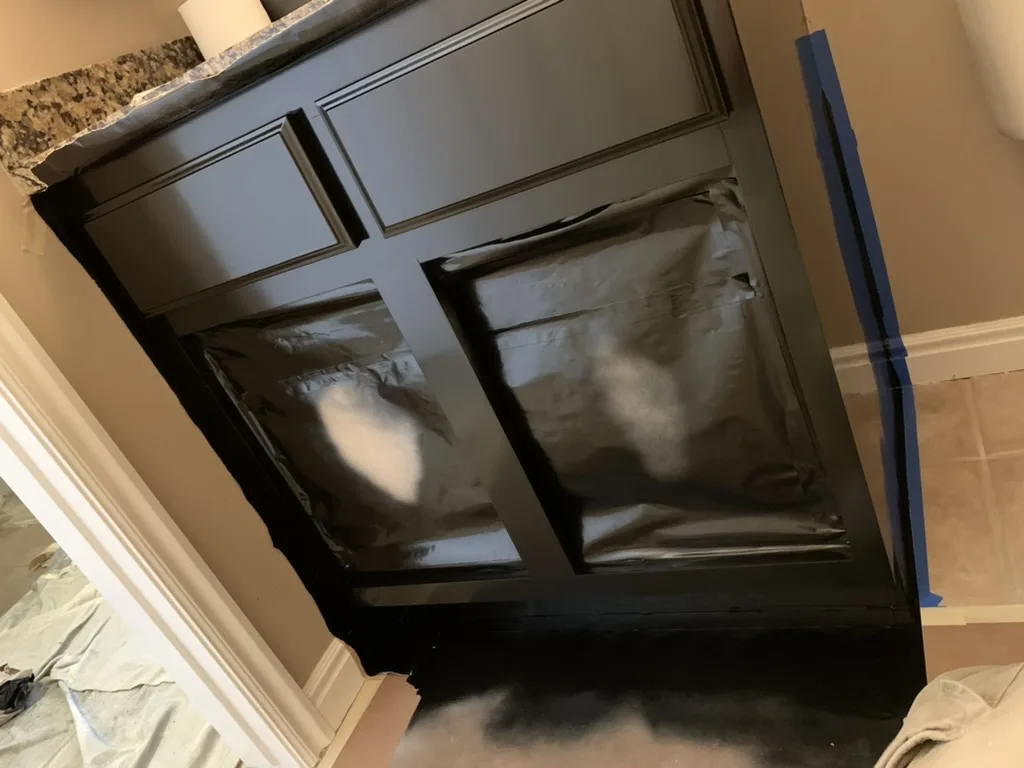
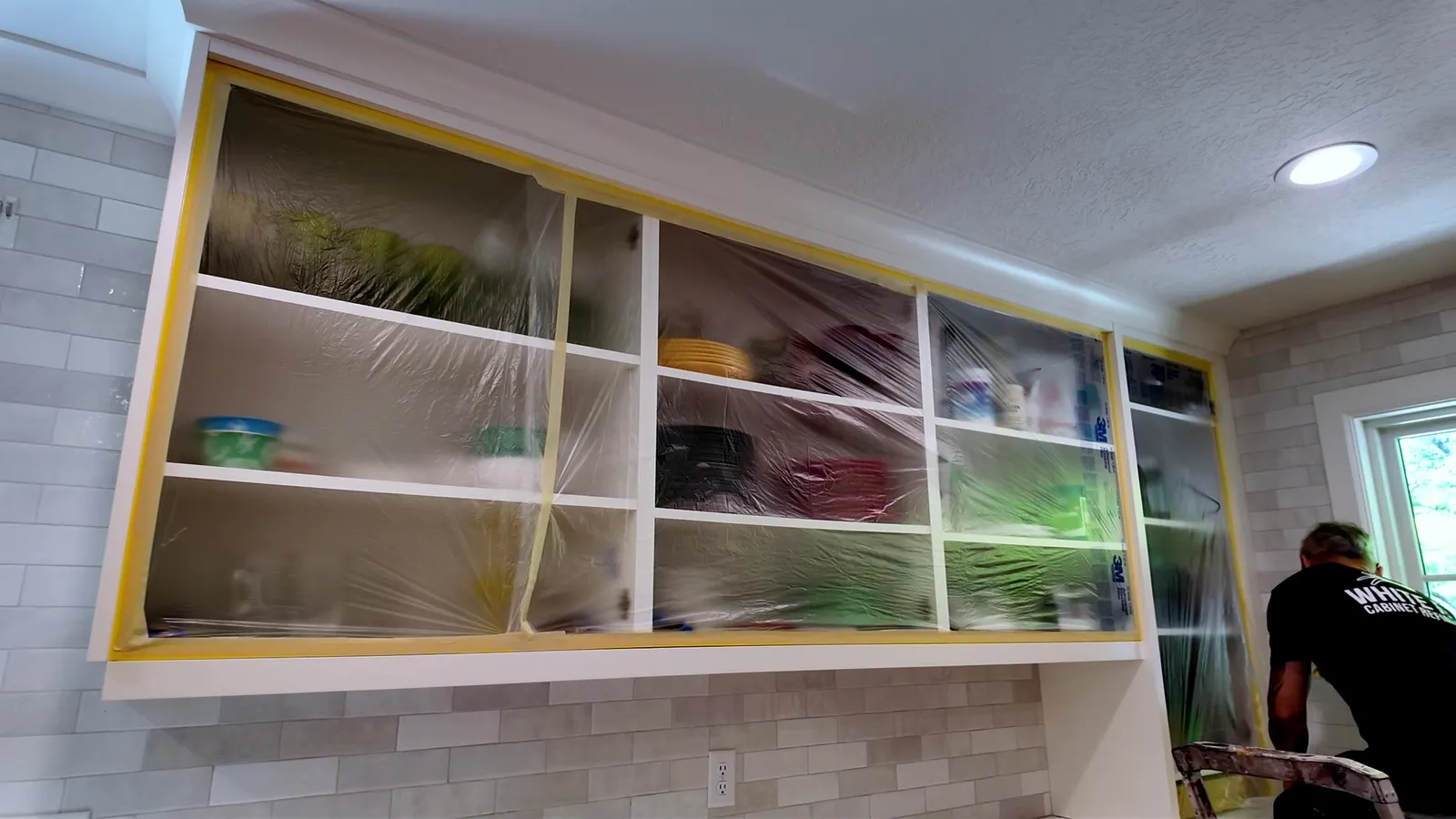
Cosmetic damage and structural concerns
Scratches and dents can affect the coating, the underlying material or both. A shallow mark in a painted surface may be different from a deep gouge through veneer. The repair approach should account for the surface's thickness and construction. Thin veneer does not provide the same options as solid wood, and a manufactured edge can respond differently from a wood edge. Describe the material if you know it, but avoid guessing when requesting an assessment.
Structural concerns deserve their own discussion. Loose joints, damaged hinge mounting areas or a cabinet that moves against the wall cannot be judged only by the color of the finish. The existing cabinet needs to provide a stable base for a repair. Some damage may make replacing a component more appropriate than repairing its surface. A clear estimate should explain which parts can be addressed and which conditions fall outside the proposed repair.
Scratches, dents and worn edges
High-contact areas often show wear first. The edge below a handle, the corner of a drawer front and the doors near a sink can look different from less-used upper cabinets. Compare the damaged area with nearby surfaces in normal room lighting. A close-up photo can make a small mark look larger than it feels in the room, while a wide photo can hide an important defect. Provide both views so the discussion reflects the actual concern.
Ask whether the work is intended as a localized repair or part of refinishing a larger surface. An existing finish can change with light, use and age, so an exact invisible match should not be assumed. Color, sheen and texture all affect how a repaired area reads. When wear is widespread, refinishing or painting the cabinet run may be a more relevant option to discuss than treating many isolated marks separately.
Loose doors and hinge attachment
A door that sits crooked may need adjustment, a hardware repair or attention to its mounting surface. Start by describing whether it rubs, drops, will not close or moves when touched. The hinge itself may be intact while the surrounding screw location is worn. Conversely, a damaged hinge can create movement even when the cabinet material is sound. Assess both the fitting and the material it attaches to before deciding on a remedy.
Do not force a door that is binding against another surface. Note where it catches and whether the problem changes as you open it. Neighboring doors, drawer fronts and appliance handles can affect the clearance. Repairing the movement should preserve appropriate gaps and alignment rather than simply shifting the problem to the next cabinet. If the existing hardware is being replaced, include that decision in the same scope.
Drawer fronts and everyday movement
A loose drawer front can affect both appearance and handling. Check whether the visible front moves separately from the drawer box and whether the drawer itself slides smoothly. Front attachment, drawer construction and slides have different functions. A repair to the front should not be assumed to correct a worn slide or an overloaded drawer. Explain which part feels loose and which part catches when you use it.
Open the drawer enough to observe the problem without putting additional strain on it. Describe uneven gaps, rubbing edges or a handle that twists when pulled. If the front is substantially damaged, replacement may be an option alongside repair. New fronts can also be considered when several drawers need attention and you want to change their style. The choice should follow the condition of the retained parts and your goals for the cabinetry.
Damage near water or heat
Under-sink cabinets and surfaces beside appliances deserve a careful review. Swelling, soft material, persistent staining or a coating that repeatedly lifts can point to a condition beyond ordinary scuffing. An active leak or continuing moisture exposure needs attention before a cosmetic repair is selected. Painting a swollen surface does not restore the original structure. Share what you have observed and whether the cause has already been corrected.
Heat-related changes also need context. Look at the location of the damage and the clearances around appliances. A finish repair should be discussed with the surrounding use conditions in view. Where another trade or a different repair is needed, identify that requirement in the project discussion. Avoid treating every discolored or peeling area as a simple touch-up without understanding why it occurred.
Repairs within a larger cabinet update
Repair work can be part of a cabinet painting or refinishing project. In that case, the damaged areas should be identified before the preparation and finish plan is finalized. Old hardware holes, worn corners and dents can influence the sequence of work. Confirm which repairs are included rather than assuming every visible imperfection will receive the same treatment. Review representative expectations for the finished surface.
If the layout works but fronts are beyond a suitable repair, explore Cabinet Door & Drawer Replacement. If the finish is worn across much of the kitchen, read our Cabinet Refinishing page. A repair assessment can help separate components worth retaining from those requiring another approach. That keeps the project focused on the condition of your cabinetry rather than selecting a broad renovation because one door is damaged.
Prepare useful information for an estimate
Use the quote form to describe each problem area and how many components are affected. Include a room overview, a close-up of the defect and a view showing where it sits in the cabinet run. Mention previous touch-ups, known moisture issues and any hardware you plan to change. Do not include customer faces, house numbers or other unnecessary personal details in project photographs.
Before agreeing to the work, review the repair boundaries, related finish work and any parts that may need replacement. Afterward, check the repaired component's movement as well as its appearance. Door alignment, drawer clearance and secure hardware matter alongside the visible surface. Ask about appropriate care for any new finish applied. A repair is easiest to assess when the original problem and the intended result have both been clearly described.
Cabinet Repairs questions
Can scratches and dents be repaired?
Some can be addressed, depending on their depth, the cabinet material and the existing finish. An assessment should establish whether a localized repair or broader refinishing is appropriate.
Can a loose cabinet door be fixed?
The hinge, its adjustment and the mounting material all need checking. A worn attachment point and a damaged hinge are different issues, even when both make the door feel loose.
Will a repaired area be invisible?
Do not assume an invisible match. Existing color, sheen, texture and wear affect the result. Discuss the appearance expected from a localized repair and whether refinishing a larger surface is preferable.
Can you repair water-damaged cabinetry?
Suitability depends on the extent of the damage and whether the moisture source has been addressed. Swollen or structurally weakened material may require replacement rather than a cosmetic repair.
Should repairs happen before painting?
Agreed repairs should be considered as part of preparation for a painting project. Identifying damage and hardware-hole changes early allows them to be included in the finish scope.
